Tuna Fish Recall: What You Need To Know And How To Stay Safe - Recalls are typically initiated by manufacturers, distributors, or regulatory agencies such as the FDA (Food and Drug Administration) in the United States. These organizations monitor food safety and take swift action when potential risks are identified. Understanding the recall process and its implications can help consumers stay vigilant and informed. Subscribing to recall notifications and regularly checking for updates can help you stay ahead of potential risks.
Recalls are typically initiated by manufacturers, distributors, or regulatory agencies such as the FDA (Food and Drug Administration) in the United States. These organizations monitor food safety and take swift action when potential risks are identified. Understanding the recall process and its implications can help consumers stay vigilant and informed.
200kg Atlantic bluefin tuna caught in South West waters for first time
Incorrect labeling of allergens, such as soy or gluten, can pose serious risks to individuals with food allergies or intolerances.
Innovations such as blockchain tracking and DNA testing are being explored to improve traceability and authenticity of tuna products. These developments aim to restore consumer trust and promote sustainable practices in the industry.
Regularly checking for recall notices and adhering to safe storage practices can further minimize risks.

From identifying potential risks to recognizing warning signs, this comprehensive guide will provide you with all the essential information you need to navigate the world of tuna fish recalls. By the end of this article, you'll be equipped with actionable insights to ensure your safety and well-being.
Prevention is key to avoiding the adverse effects of contaminated tuna. Here are some practical tips:
Mercury contamination is a well-documented issue in tuna, particularly in larger species like albacore. Excessive mercury exposure can lead to neurological damage and other health complications.
Stay updated on food safety guidelines and recall notices through official channels.
Prolonged exposure to high levels of mercury can affect the nervous system, particularly in developing fetuses and young children.
Tuna fish recall refers to the process where batches or lots of tuna products are withdrawn from the market due to safety concerns. These recalls can occur at any stage of the supply chain, from production to distribution. The primary goal of a recall is to prevent consumers from consuming potentially hazardous products.
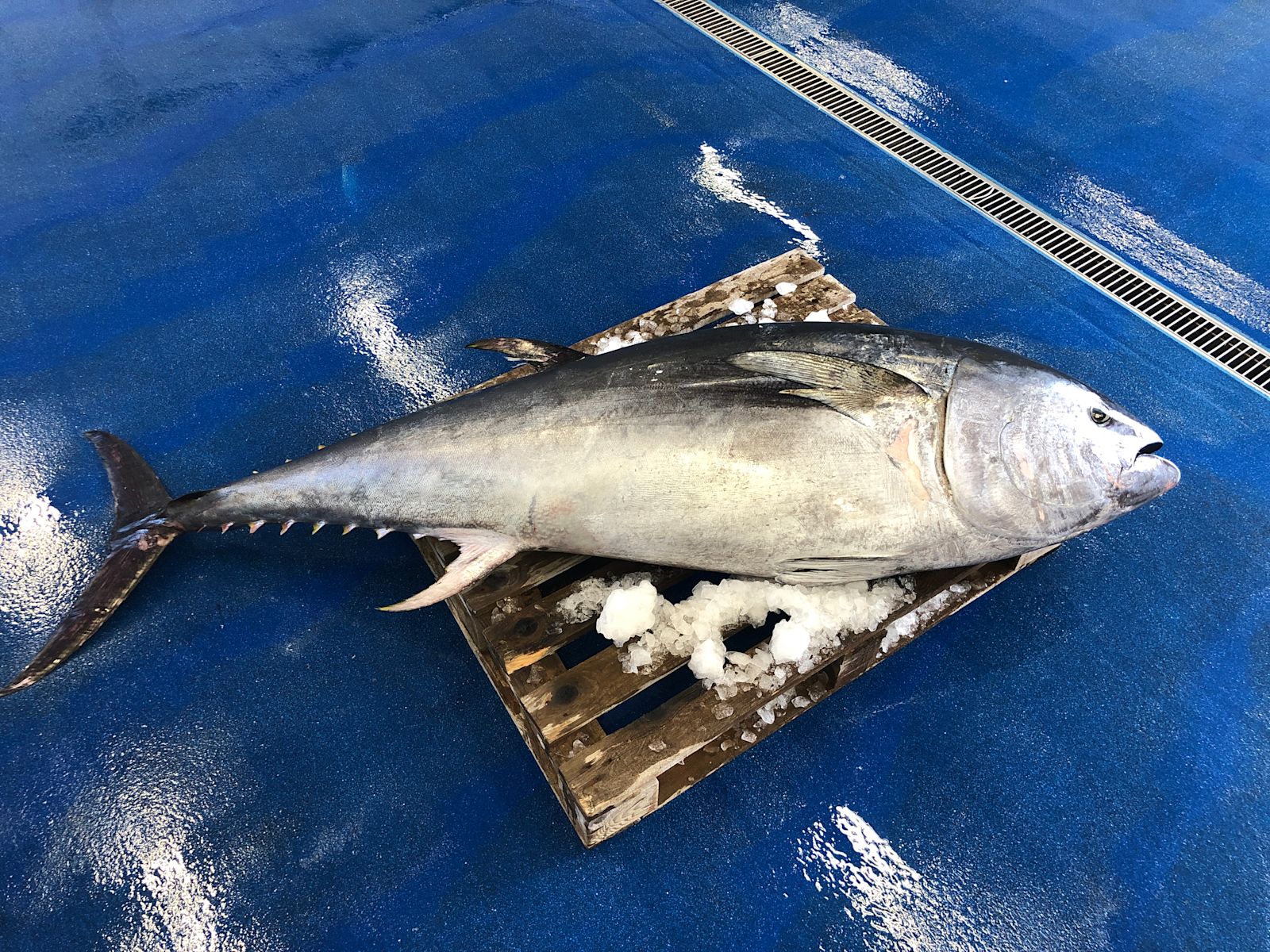
Tuna is one of the most consumed fish globally, prized for its rich flavor, versatility, and health benefits. However, the increasing frequency of tuna fish recalls has raised questions about the safety of this popular seafood. Understanding the reasons behind these recalls and learning how to respond can help you make better-informed decisions about the food you consume.